Take a Second: Everyday Moments Where a Pause Could Save You
It’s Cyber Security Action Month, and this year’s theme is simple: Take a second. Stay secure.
You don’t need to be a tech expert to stay safe online. Most scams work because they catch us at a busy moment, when we’re tired, rushed or hopeful.
The fix is small. Just pause for one second and think before you act.
Here are some everyday moments where that pause could save you a lot of stress.
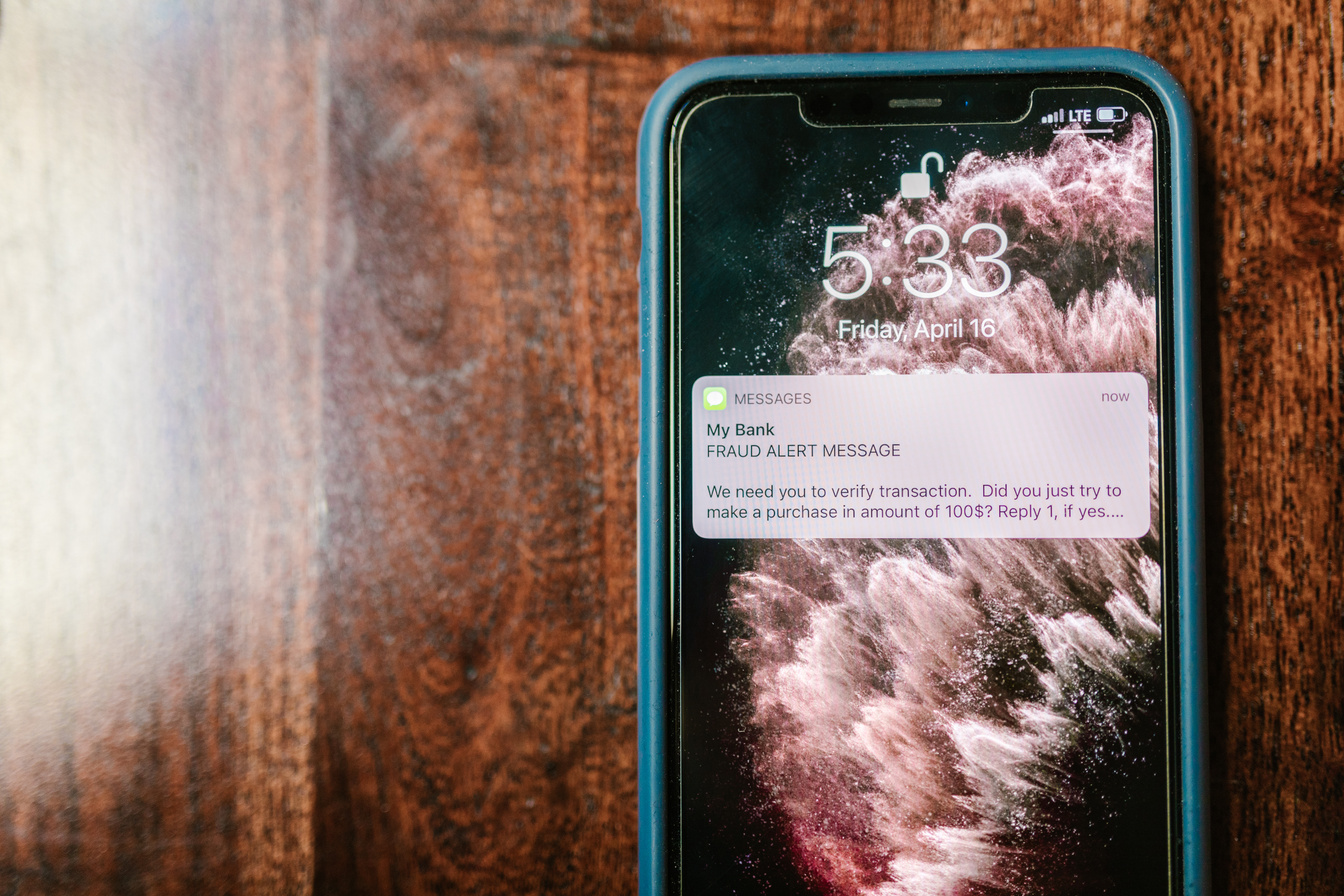
The surprise parcel or toll text
“Your parcel couldn’t be delivered. Pay a small fee here.” It looks real. It feels urgent. But if you weren’t expecting a delivery, it’s a red flag.
Take a second: Don’t tap the link. Open the courier’s official app or website yourself and check.
The login code you didn't ask for
Your phone buzzes with a code or a “Was this you?” message, and you haven’t tried to log in.
Take a second: Don’t share the code with anyone, and don’t approve the request. Someone may have your password. Change it straight away.
The too-good-to-be-true job ad
“Work from home. Earn big money. No experience needed.” Job scams often target students looking for extra income. Warning signs include pay that seems way too high, a chat-only interview, or being asked to pay a fee or send ID documents first.
Take a second: Search the company yourself. Real employers don’t ask you to pay to get hired.
The "urgent" message from your boss or lecturer
“Can you do me a quick favour? Buy some gift cards and send me the codes.” Scammers pretend to be people you trust, and they count on you not wanting to say no.
Take a second: Check by calling or speaking to the person using a number you already know.
The call or message from the "bank", "police" or "immigration"
A confident voice says there’s a problem, and you must act now or face trouble.
Take a second: Hang up. Real organisations won’t pressure you to pay immediately. Call back using the official number from their website.
The perfect (and very cheap) rental
A great room, a low price, and the owner is “overseas” and wants a deposit before you see the place.
Take a second: Never send money for a place you haven’t seen or confirmed. Ask for an inspection, in person or by live video.
The friend who suddenly sends a strange link
A friend’s message says, “OMG is this you in this video?” with a link attached. Their account may have been hacked.
Take a second: Message them another way to check before you click.
The "Take a Second" rule
When something feels off, remember three steps:
1
Stop.
Don’t click, pay or reply yet.
2
Check.
Use an official website, app or phone number.
3
Report.
Tell someone, and report scams through Scamwatch or ReportCyber.
Small choices make a big difference
Whether you’re at home, at work or part of a community, one pause protects you and the people around you. When you share these tips with a friend or family member, you make everyone safer.
Interested in learning how to protect people and organisations from cyber threats as a career? Explore ADCI’s courses and see where your curiosity can take you.